Author: Editorial Team

  • Best Gaming Keyboard for Open-World and Action Games

    Best Gaming Keyboard for Open-World and Action Games

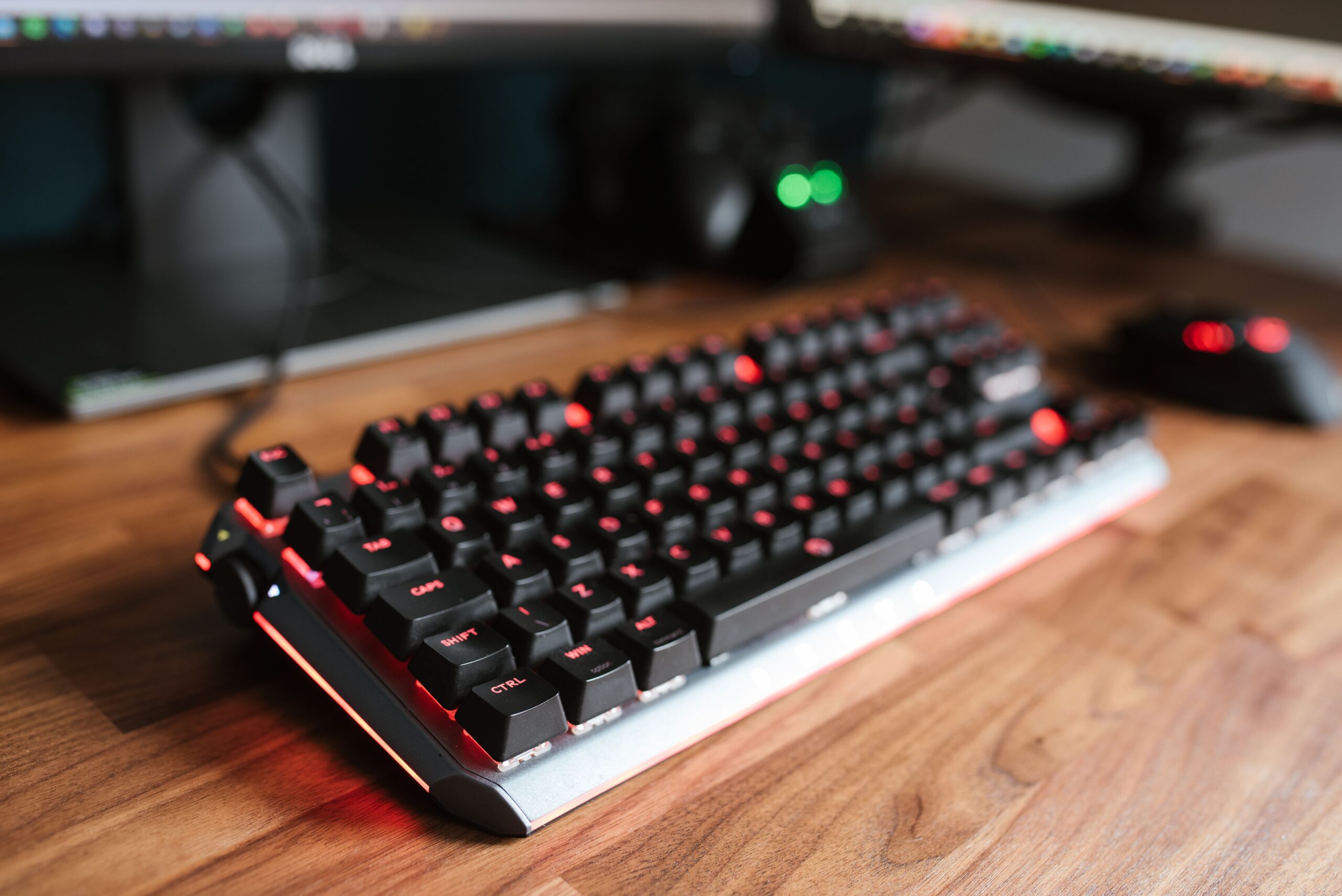
    Open-world games ask a lot from a keyboard. You’re sprinting, sneaking, swapping weapons, driving, and mashing dialogue prompts, often within the same five minutes. A keyboard that’s fine for typing can start to feel sluggish or mushy once you’re actually gaming on it for hours.

    Short answer: mechanical switches beat membrane for anything action-heavy, full stop. Beyond that, it comes down to whether you want linear switches (smooth, fast, quieter) or tactile ones (a bump you can feel, better for precision but slightly slower).

    What actually matters here

    Switch type is the biggest decision. Linear switches (like Red switches) move in a single smooth motion with no bump, which is why a lot of action gamers prefer them: less resistance means faster repeated inputs. Tactile switches (like Brown switches) give you physical feedback at the actuation point, which some players find helps with precision, at a small cost to raw speed.

    N-key rollover matters more than people realize for open-world games specifically, since you’re often holding multiple keys at once (sprint plus a direction plus an ability). Cheaper keyboards without proper rollover can drop inputs exactly in the moments that matter most.

    Build quality for long sessions isn’t just about switches. A keyboard that flexes or has mushy stabilizers on the larger keys (space bar, shift) gets annoying fast once you notice it, and you will notice it eventually if it’s bad.

    Our picks

    Best overall: a full-size mechanical keyboard with linear switches and proper N-key rollover covers the bases for almost anyone playing action-heavy open-world games.

    Best for precision: tactile switches if you play a lot of stealth or aim-heavy sections and want that physical confirmation on each press.

    Best budget option: entry-level mechanical keyboards have gotten genuinely good, and you don’t need per-key RGB or a fancy aluminum frame to get real mechanical switches and rollover at a low price.

    Bottom line

    Don’t overthink this one. Mechanical over membrane is the real upgrade; the switch-type choice after that comes down to personal feel more than any objective “better” option.

  • Best GTA V PC Graphics Settings for Performance and Visuals

    Best GTA V PC Graphics Settings for Performance and Visuals

    Quick heads up before anything else: if you’re playing GTA V on PC right now, you’re on GTA V Enhanced, not the original 2015 release. Rockstar replaced the classic PC version entirely in March 2025 with a rebuilt engine that added ray tracing, DLSS 4, FSR 3, and a much bigger Advanced Graphics tab. If you find an old settings guide online with none of that mentioned, it’s outdated. The legacy version isn’t even available to buy anymore.

    Short answer: turn on DLSS or FSR upscaling first; it’s the single biggest performance win with almost no visible quality loss at Quality mode. Then set ray tracing based on your GPU tier rather than maxing it by default, since it’s the most demanding setting in the new menu by far.

    The setting that matters most: upscaling

    At 1440p, DLSS Quality mode renders internally around 960p and upscales back up. Most people genuinely can’t tell the difference from native resolution at normal viewing distance, but the performance gain is immediate. This is the first thing to turn on regardless of your hardware, and it frees up headroom for ray tracing if you want it.

    Ray tracing: worth it, but be deliberate about it

    Ray tracing is the headline feature of the Enhanced update, and it genuinely changes how the game looks, especially at night and in rain. But Maximum RT can cost a lot of performance for a surprisingly small visual gain over Very High RT, and it can actually look noisier in motion. Unless you’re on a top-tier GPU with frame rate to spare, Very High RT is the smarter default.

    By hardware tier

    Lower-end GPUs (GTX 1650-class or similar): Lean on FSR/DLSS Performance mode, keep ray tracing off entirely, and don’t feel bad about it. The game still looks good with upscaling doing the heavy lifting.

    Mid-range (RTX 3050-4060 range): DLSS/FSR Quality mode plus Very High RT is a comfortable target for most builds in this range.

    High-end (RTX 4080 and up): You’ve got room to run Maximum RT with DLSS Quality and stay well above 60fps in most areas, though dense areas at night are still the biggest test of any GPU.

    Bottom line

    Don’t chase Maximum settings across the board just because you can. Upscaling first, then a ray tracing tier that matches your GPU realistically, gets you 90% of the visual upgrade without fighting your frame rate the whole time.

  • Best Gaming Chair for Long Open-World Sessions

    Best Gaming Chair for Long Open-World Sessions

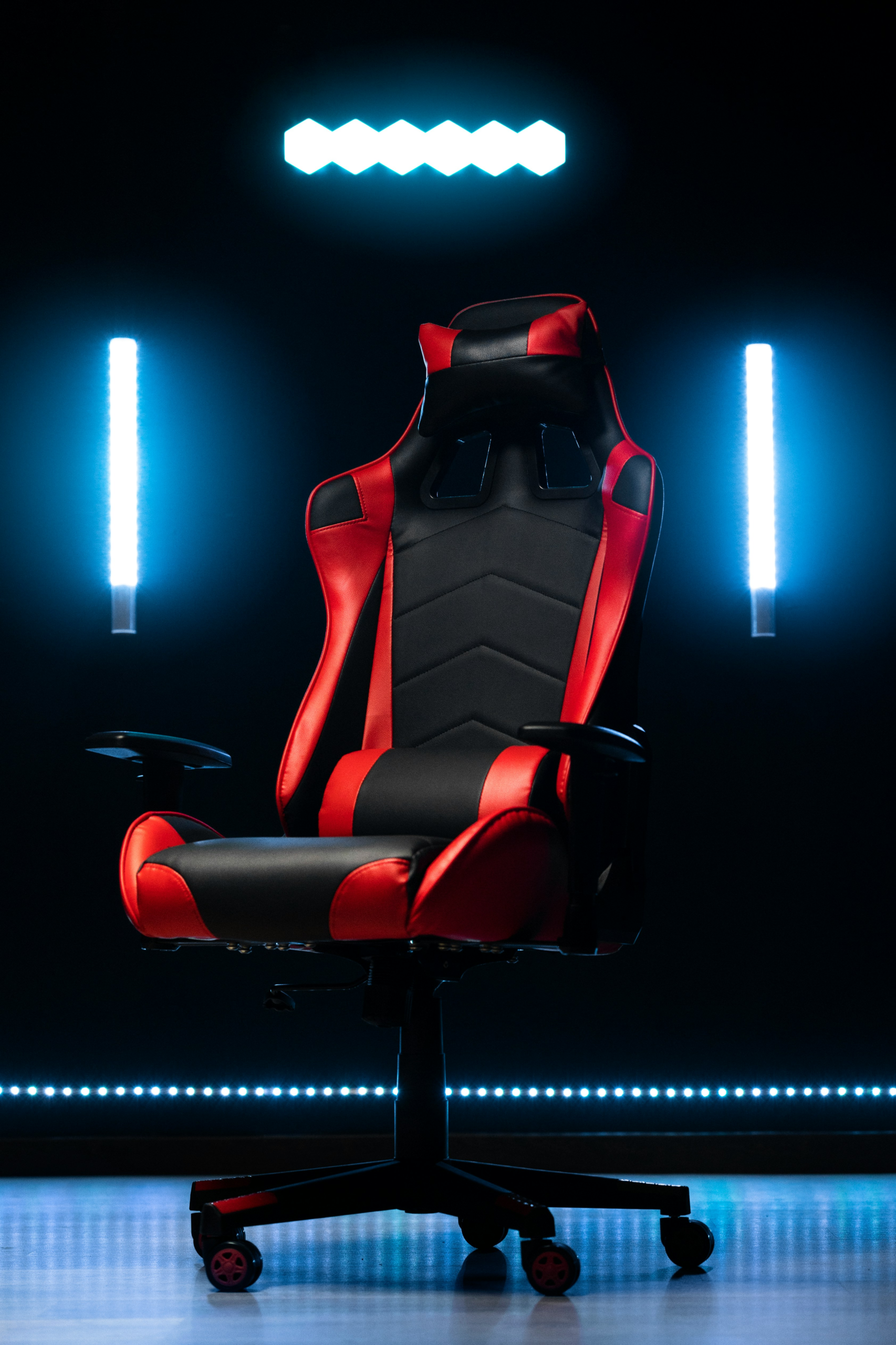
    Open-world games eat hours. Three, four, sometimes more in one sitting once you’re deep into exploring a map. Your chair matters a lot more here than most people think, bad support isn’t just uncomfortable, it’s the reason people cut sessions short that they’d otherwise enjoy.

    Short answer: lumbar support and seat depth matter more than looks. A chair covered in RGB lighting that doesn’t support your lower back will hurt by hour three regardless of how it looks in photos.

    What to actually look for

    Lumbar support is the single biggest factor here. Built-in or adjustable, it doesn’t matter which, but don’t cut this corner to save money. It’s the one feature that determines whether a chair is still comfortable an hour in.

    Seat depth and armrest adjustability come down to fit. A chair that doesn’t match your body size won’t feel right no matter how nice the padding is. If you’re tall or broad-shouldered, 4D armrests (they move in, out, up, down, forward, back, and pivot) are worth paying for.

    Material matters more than people expect too. PU leather looks premium in photos but traps heat fast during long sessions. Mesh or fabric backing breathes better, you won’t notice this in a showroom, but you’ll notice it at hour two.

    Our picks

    Budget: a basic racing-style chair with adjustable lumbar support. Covers the essentials without the premium price.

    Best overall: mid-range chairs from established gaming brands usually get the balance right, decent adjustability, real lumbar support, and they hold up over time.

    Premium: ergonomic chairs that look more like high-end office furniture than “gaming” chairs. They cost more, but the comfort difference over multi-hour sessions is real, not just marketing.

  • Best Gaming Headset Under $100

    Best Gaming Headset Under $100

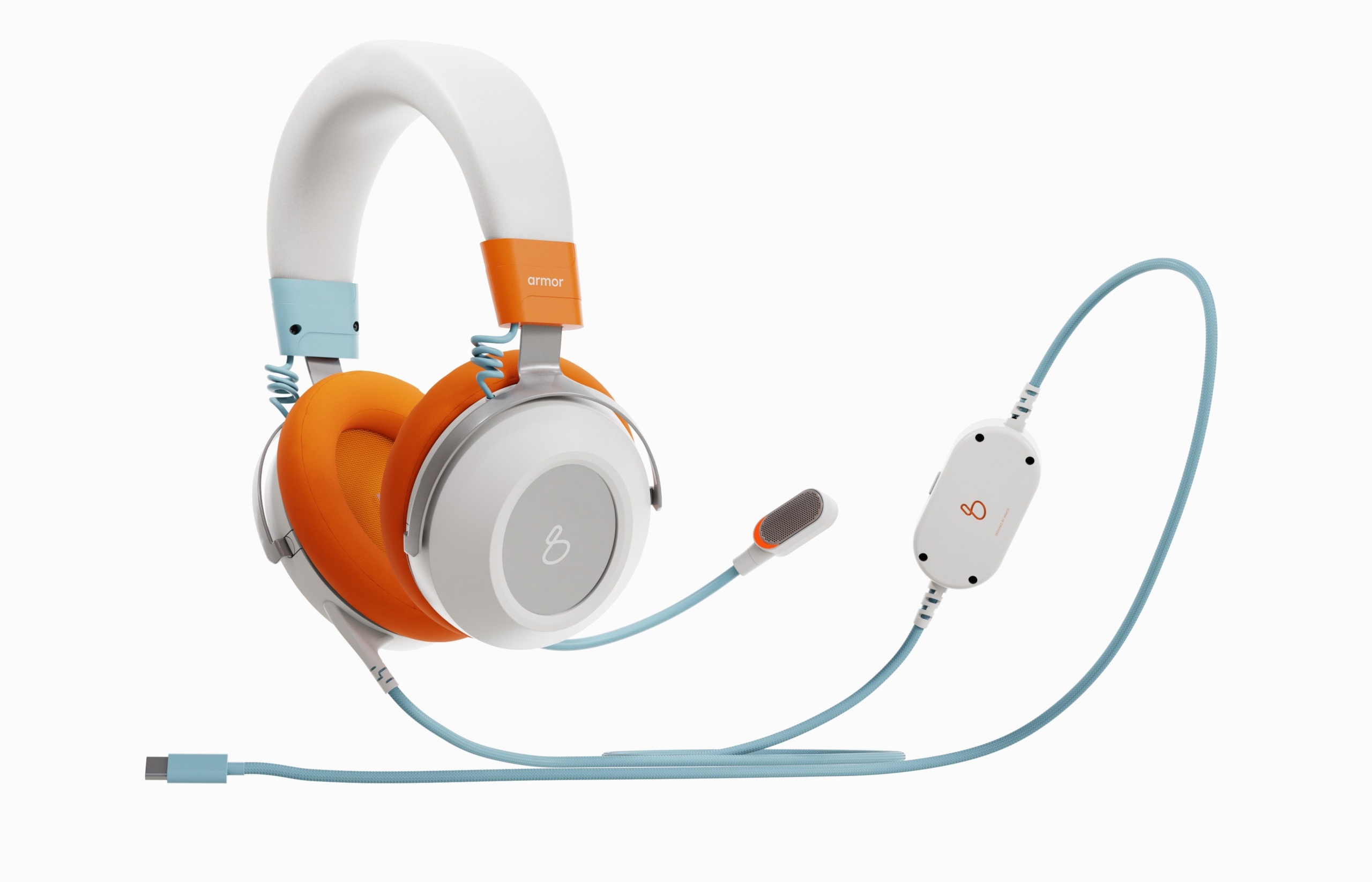
    You really don’t need to spend $200 on a headset anymore. The sub-$100 category has gotten good, good enough that some of these compete with headsets twice the price, as long as you know what to prioritize.

    Short answer: get something with a detachable or flip-to-mute mic, over-ear cushioning (not on-ear, your ears will thank you after hour two), and stick with wired unless you specifically need wireless. At this price, wireless usually means a real trade-off somewhere.

    What’s worth caring about

    Comfort matters more than the spec sheet once you’re a few hours into a session. Over-ear designs with memory foam padding are noticeably less fatiguing than on-ear pads that clamp down on your ears.

    Mic quality varies a lot at this price point, more than people expect. Detachable boom mics tend to sound clearer than built-in ones, and flip-to-mute is one of those small features you don’t think about until you have it, and then you can’t live without it.

    Wired vs. wireless: at under $100, wired almost always sounds better and never needs charging. Wireless is convenient, sure, but you’re usually trading away either battery life or audio quality to get it. Check actual reviewer battery numbers, not the marketing claim on the box, those numbers are optimistic in a very consistent way.

    Our picks

    Best value: a wired over-ear headset with a detachable mic. Nothing flashy, just solid audio for the money.

    Best for comfort: anything specifically marketed with memory foam cushions and a light frame. If you’re gaming for three-plus hours, this is the spec that actually matters.

    Best budget wireless: go in expecting a compromise. Either the battery life is mediocre or the audio’s a step down from wired, that’s just the reality under $100 right now.

    Bottom line

    Wired if you care about sound and mic clarity. Wireless if convenience wins out for you, just know what you’re giving up first.

  • Best Gaming Controller for PC in 2026

    Best Gaming Controller for PC in 2026

    Still playing everything on mouse and keyboard? Fine for shooters, but racing games, platformers, and most open-world titles just feel better with a controller. And PC support has gotten so good lately that setup is basically a non-issue now.

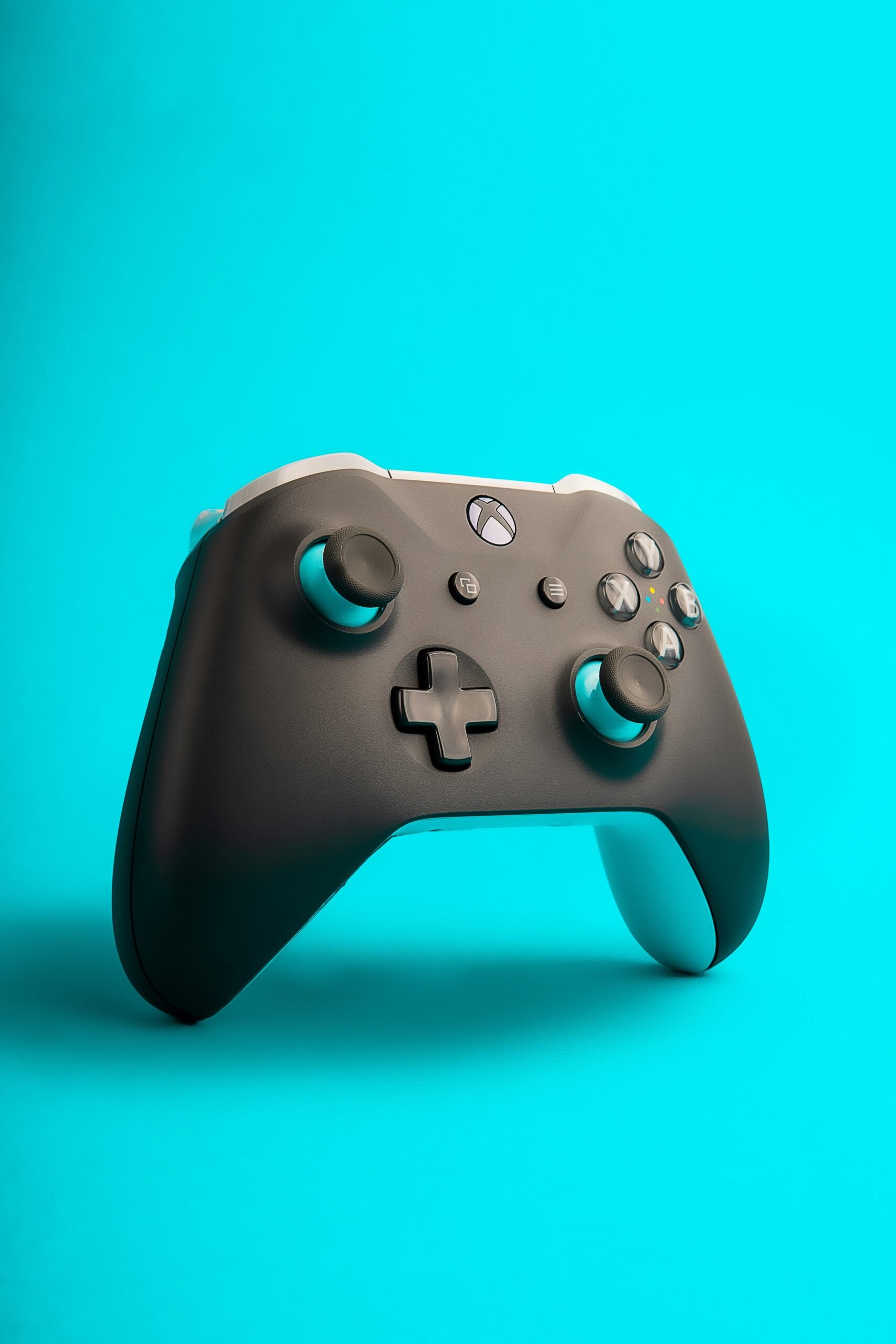
    Short answer: grab an Xbox Wireless Controller if you want zero setup headaches. It just works on Windows. If money’s not the concern and you want top-tier build quality, look at the Xbox Elite Series 2 or a DualSense Edge instead.

    What actually matters when picking one

    Compatibility first. Xbox controllers are basically native on PC — plug in over USB or pair via Bluetooth and you’re gaming. DualSense works too, though older games sometimes need DS4Windows to recognize it properly, which is a small annoyance if you’re not expecting it.

    Wired or wireless is mostly personal preference. Wireless is obviously more comfortable for couch gaming, but if you’re playing anything remotely competitive, wired removes any question of input lag.

    Stick drift is the complaint you’ll see everywhere in controller reviews now, and it’s not paranoia. It’s a real, common failure point. If you want to sidestep it entirely, look for controllers with Hall effect or TMR sticks. They use magnets instead of physical contacts, so there’s nothing to wear down over time. The 8BitDo Ultimate line and GuliKit’s own controllers both build this in, and GameSir has become a solid officially-licensed Xbox option too. None of them cost much more than a standard pad these days.

    Our picks

    Budget: any standard wired Xbox controller. Boring recommendation, but it works instantly and costs almost nothing.

    Best overall: the standard Xbox Wireless Controller. It’s not exciting, but it nails compatibility, comfort, and price better than anything else we’ve tried.

    Premium: Xbox Elite Series 2. Swappable sticks, paddles, adjustable tension, genuinely useful if you’re logging long sessions and know exactly how you like things set up.

    Best for avoiding stick drift: the 8BitDo Ultimate line, GuliKit’s own TT Pro/TT Max controllers, and GameSir’s officially-licensed Xbox pads all build in Hall effect or TMR sticks without a big price jump. Worth a look if drift has burned you before.

    Bottom line

    Start with a standard Xbox Wireless Controller unless you already know you want more. Most people don’t need the premium option, you can always upgrade once you’ve put in enough hours to know what bugs you about the basic one.