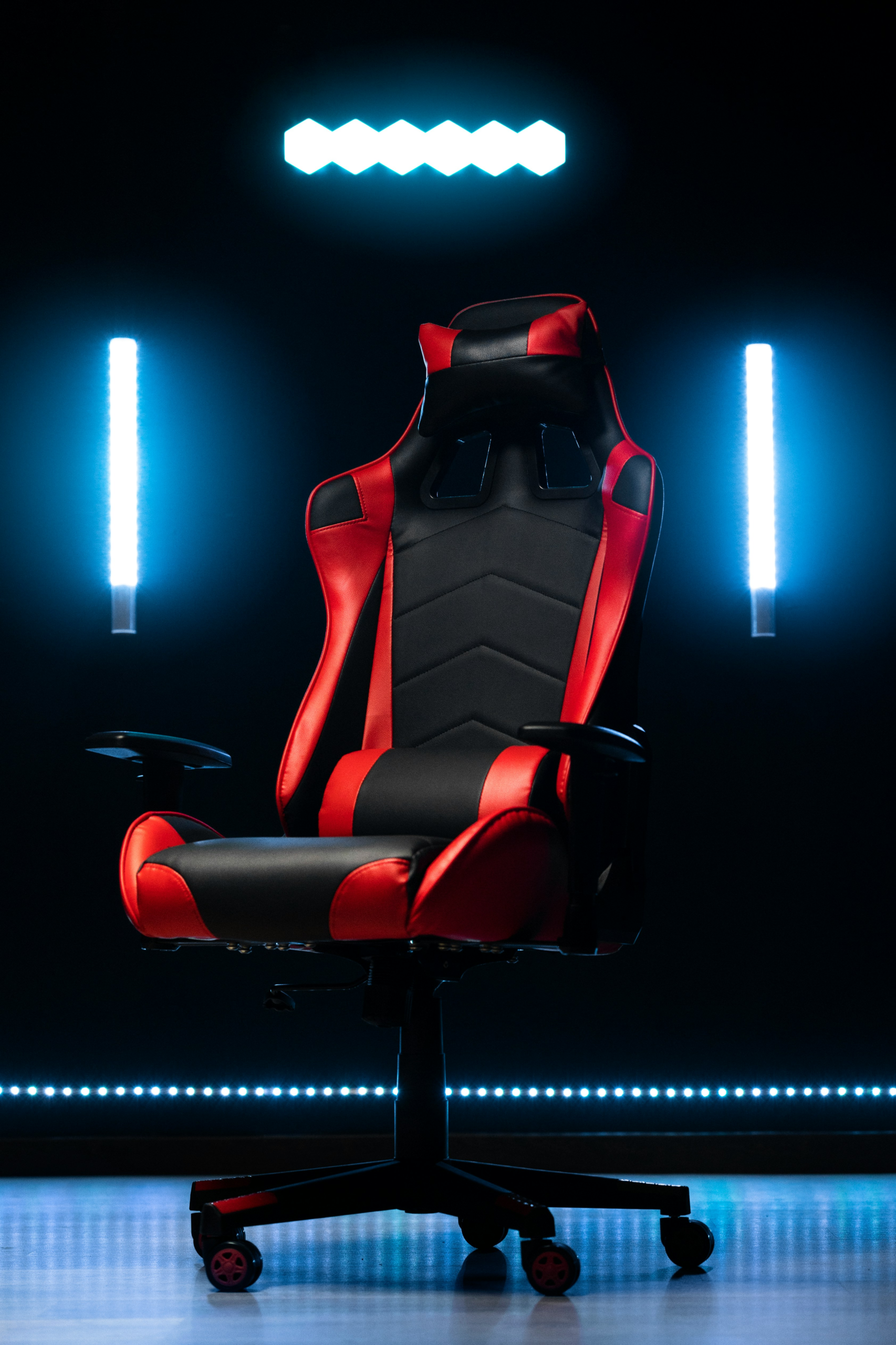
Open-world games eat hours. Three, four, sometimes more in one sitting once you’re deep into exploring a map. Your chair matters a lot more here than most people think, bad support isn’t just uncomfortable, it’s the reason people cut sessions short that they’d otherwise enjoy.
Short answer: lumbar support and seat depth matter more than looks. A chair covered in RGB lighting that doesn’t support your lower back will hurt by hour three regardless of how it looks in photos.
What to actually look for
Lumbar support is the single biggest factor here. Built-in or adjustable, it doesn’t matter which, but don’t cut this corner to save money. It’s the one feature that determines whether a chair is still comfortable an hour in.
Seat depth and armrest adjustability come down to fit. A chair that doesn’t match your body size won’t feel right no matter how nice the padding is. If you’re tall or broad-shouldered, 4D armrests (they move in, out, up, down, forward, back, and pivot) are worth paying for.
Material matters more than people expect too. PU leather looks premium in photos but traps heat fast during long sessions. Mesh or fabric backing breathes better, you won’t notice this in a showroom, but you’ll notice it at hour two.
Our picks
Budget: a basic racing-style chair with adjustable lumbar support. Covers the essentials without the premium price.
Best overall: mid-range chairs from established gaming brands usually get the balance right, decent adjustability, real lumbar support, and they hold up over time.
Premium: ergonomic chairs that look more like high-end office furniture than “gaming” chairs. They cost more, but the comfort difference over multi-hour sessions is real, not just marketing.
Leave a Reply